
Egyptian Hibiscus Tea (Karkade) and Herbal Teas: Types, Prices and Where to Buy in Hurghada
27 November 2026

In short: Egypt is a country of tea drinkers, and some of its most typical drinks are not tea at all but herbal infusions. The best known is karkade, a ruby-red drink made from dried hibiscus flowers, served hot in winter and ice-cold in summer. Next to it you will find Bedouin tea and habak (wild desert mint), helba (fenugreek), chamomile, sage, marjoram and a whole shelf of flavoured black teas. This guide explains what each one is, how to make it, which sizes and prices to expect, and how to get them delivered to your hotel in Hurghada at a fixed price, without haggling.
What is karkade (Egyptian hibiscus tea)?
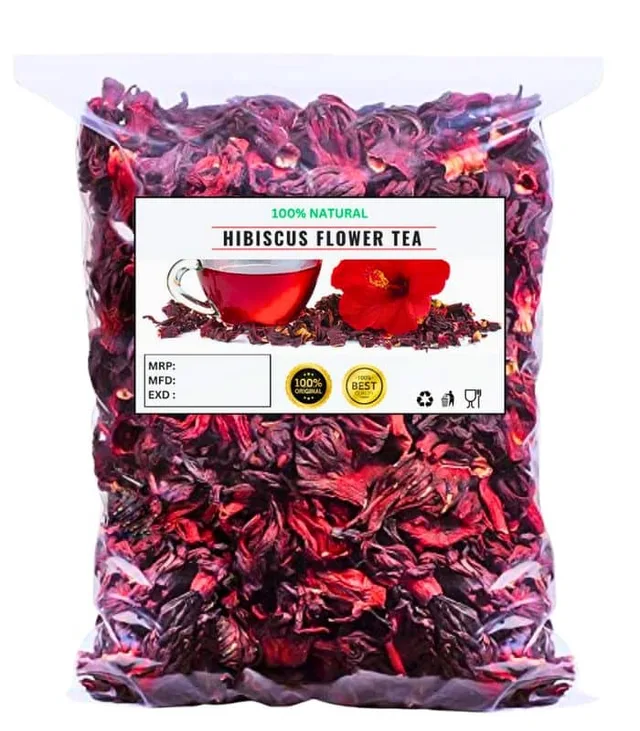
Karkade is the drink Egyptians offer to welcome a guest, and the traditional toast at weddings. It is made from the dried calyces of the hibiscus plant (Hibiscus sabdariffa). In Egypt it is grown mainly in the hot, dry south, around Aswan and Qena.
The taste is sweet-sour and fruity, a little like cranberry, and the colour is a deep ruby red. Karkade is a herbal infusion, not a true tea, so it contains no tea leaves and no caffeine. That makes it a drink you can have at any time of day, hot or cold.
Our Karkade Hibiscus Tea comes as whole dried flowers, not tea bags, which gives a deeper colour and a fuller taste. It is sold in 150 g and 250 g bags.
How to make karkade: hot, iced or cold-brewed
- Hot: put one tablespoon of dried flowers in a cup, pour on boiling water, leave for 5 to 10 minutes, strain and sweeten.
- Iced: brew it stronger with hot water, sweeten while it is still warm, let it cool and serve over ice. This is how most Egyptians drink it in summer.
- Cold brew: soak the flowers in cold water in the fridge overnight for a softer taste.
Tip: karkade is quite sour on its own, so most people add sugar or honey. Taste it first and sweeten little by little.
Bedouin tea and habak: the taste of the desert
If you have been on a desert safari from Hurghada, you probably remember the sweet, aromatic tea served in small glasses in a Bedouin camp. In the Eastern Desert and Sinai, tea is a sign of welcome, and desert herbs are added to the pot for aroma.
Bedouin tea
Bedouin Tea is a blend of dried herbs in the style of the Egyptian desert. Brew it on its own as a fragrant herbal tea, or do as the Bedouins do and add one teaspoon to a pot of strong black tea, leave it for 3 to 5 minutes and sweeten well. Sold in 50 g, 100 g and 200 g.

Habak (desert mint)
Desert Mint Tea (Habak) is a wild relative of garden mint (Mentha longifolia) that grows in the wadis of Sinai and the Egyptian deserts. Its aroma is minty, but deeper and more herbal than ordinary mint. Around the campfire it is dropped into the teapot with black tea. A little goes a long way, so start with a pinch.

Chamomile from the Nile valley
Egypt is one of the best-known sources of chamomile. It is grown in the fields of the Nile valley and the Fayoum oasis and dried in the sun. Egyptians drink it in the evening, plain or with a little honey.
Our Chamomile Tea is made of whole dried flowers with a gentle, apple-like aroma and a soft, slightly sweet taste. Whole flowers give more aroma than the dust found in many tea bags. It comes in 100 g, 200 g and 400 g. We also sell Dried Chamomile Flowers in a separate pack.
How to make it: one to two teaspoons of flowers per cup, boiling water, cover and leave for about 5 minutes, then strain.
Good to know: chamomile has no caffeine. People who are allergic to plants of the daisy family should avoid it.


Helba (fenugreek tea)
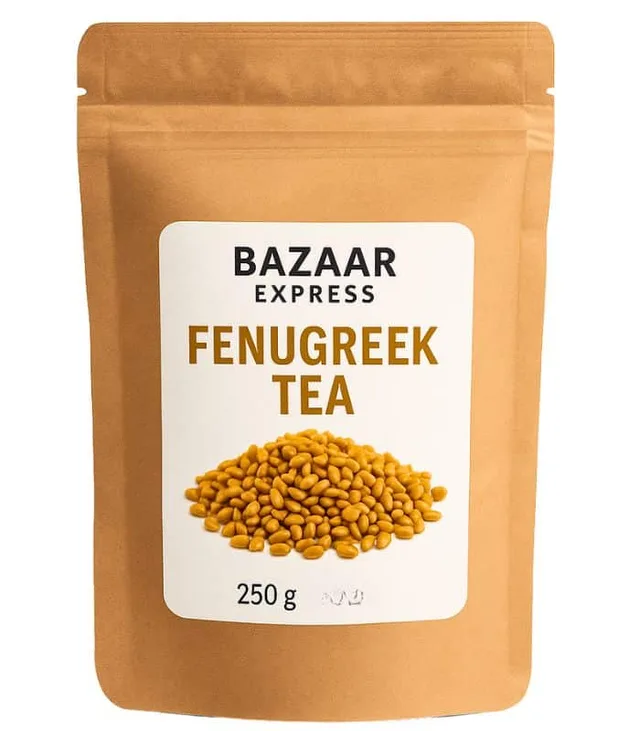
Fenugreek Seed Tea (Helba) is used to make helba, a traditional Egyptian hot drink with a warm, nutty, slightly bitter taste. You will see it in old-style cafés and in many Egyptian homes. One teaspoon of seeds per cup, boiling water, about 5 minutes, then strain and sweeten. Helba is one of the cheapest teas in the shop: 200 g or 400 g bags.
More Egyptian herbal teas
Herbal teas are part of daily life in Egypt, served at home, in cafés and in Bedouin camps. These are the other herbs you will find on our shelf. All of them are made the same way: one teaspoon per cup, boiling water, about 5 minutes, then strain and sweeten to taste.
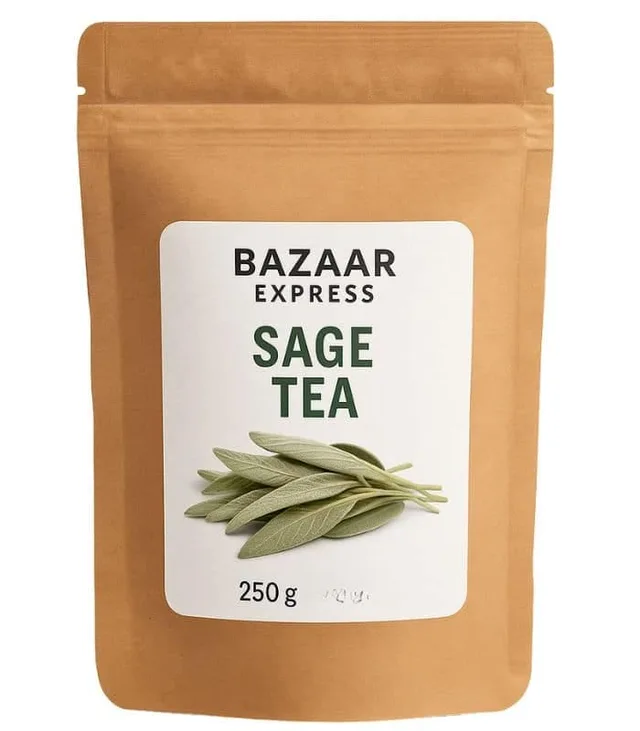
- Egyptian Sage Tea: dried sage leaves, called maramiya in Egypt, with a strong herbal aroma. 50 g, 100 g and 200 g.
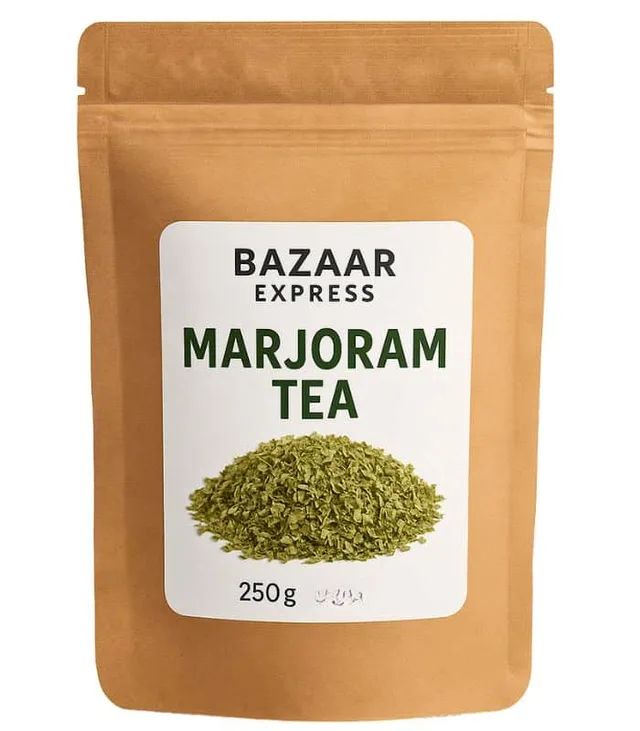
- Marjoram Herbal Tea: dried marjoram with a warm, sweet herbal taste. 50 g, 100 g and 200 g.
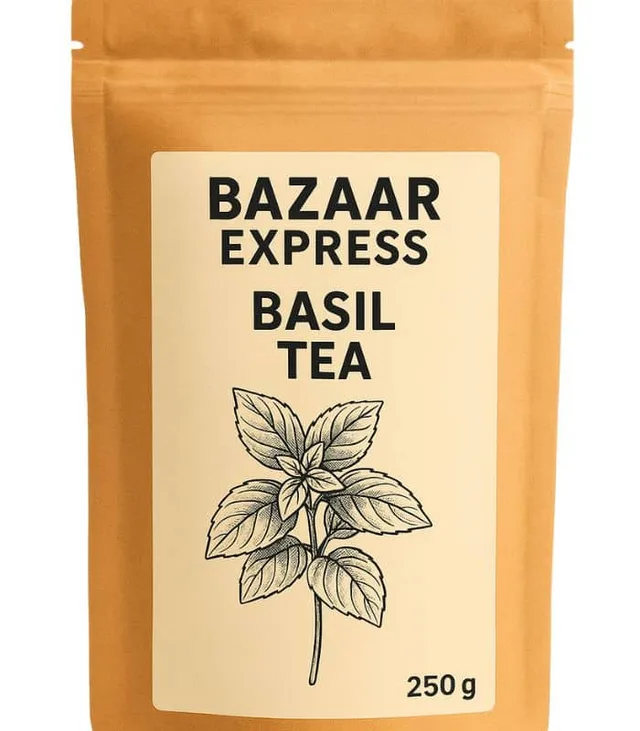
- Basil Herbal Tea: dried basil for a fragrant cup. 100 g, 200 g and 400 g.
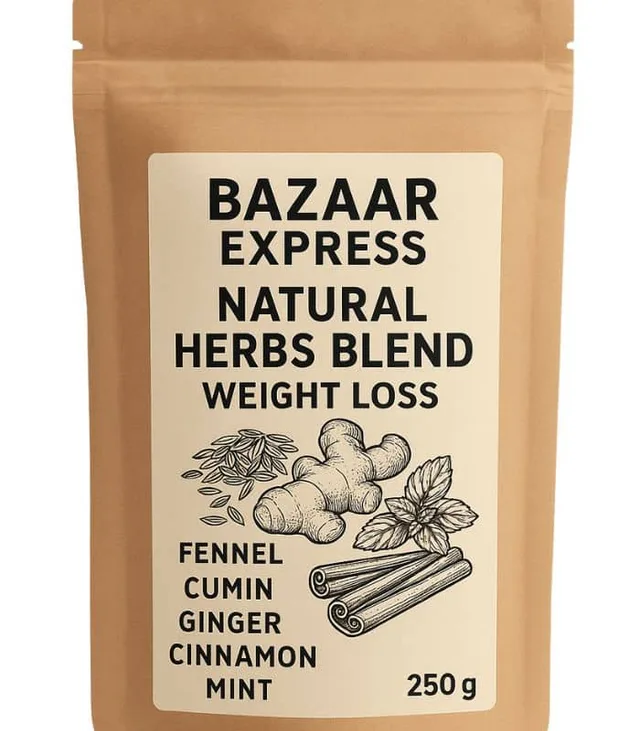
- Fennel, Cumin & Ginger Herbal Tea Blend: a ready-made blend of three spices, warm and aromatic.
- Dried Rose Buds for Tea: for a floral cup, or to add to black tea and decorate a teapot.
Flavoured black teas: an easy gift
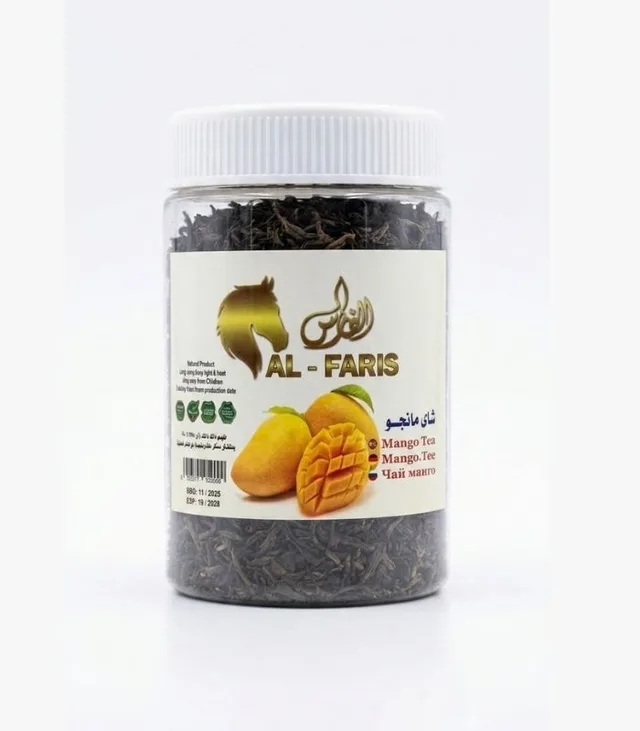
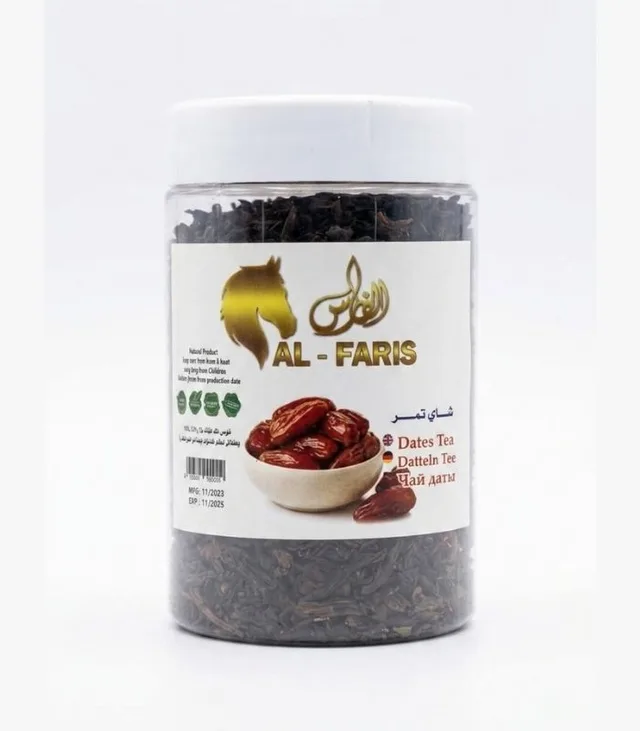
Flavoured black teas are a classic buy in Egyptian spice shops, and they make an easy gift because they are light and cheap. We have nine flavours at $5 each: lemon, pomegranate, cantaloupe, strawberry, mango, watermelon, mixed berry, apple and date.
Unlike karkade and the herbal teas, these are real black teas, so they do contain caffeine. Make them with one teaspoon per cup and boiling water, and leave for 3 to 5 minutes.
If you can't choose, the Fruit Tea Gift Box puts several flavours in one box.

Spices to add to your tea
In Egypt, tea is often made with a spice in the pot. These are the ones people use most:
- Green Cardamom: whole pods, crushed into tea or coffee.
- Cinnamon Powder: for a warm, sweet cup in winter.
- Anise Seeds (yansoon): known in Egypt as yansoon, with a sweet, liquorice-like aroma.
- Whole Star Anise: a star-shaped spice that looks lovely in a glass teapot.
You will find many more spices, from cumin to sumac, in our Herbal Teas & Spices category.
Which Egyptian tea should I choose? (quick finder)
| If you want… | Try | Caffeine |
|---|---|---|
| The classic Egyptian drink, hot or iced | Karkade (hibiscus) | No |
| The tea you drank on a desert safari | Bedouin tea, habak | Only if you add black tea |
| Something soft for the evening | Chamomile | No |
| A traditional café drink | Helba (fenugreek) | No |
| A strong herbal cup | Sage, marjoram | No |
| A cheap, light gift | Flavoured black tea, fruit tea gift box | Yes |
| Something warm and spicy | Fennel, cumin & ginger blend; cardamom or cinnamon in black tea | Depends on the base |
What does Egyptian tea cost?
One of the most common questions visitors ask is what hibiscus or Bedouin tea should cost in Egypt. In our shop every product has a fixed price in US dollars, shown on the product page, so you never have to haggle. At the time of writing (November 2026):
| Tea | Sizes and prices |
|---|---|
| Karkade hibiscus tea | 150 g $5 · 250 g $7 |
| Bedouin tea | 50 g $4 · 100 g $8 · 200 g $15 |
| Habak (desert mint) | $15 |
| Chamomile tea | 100 g $4 · 200 g $8 · 400 g $15 |
| Helba (fenugreek) | 200 g $3 · 400 g $6 |
| Sage, marjoram | 50 g $4 · 100 g $8 · 200 g $15 |
| Basil | 100 g $4 · 200 g $8 · 400 g $15 |
| Flavoured black teas | $5 each |
| Fruit tea gift box | $5 |
Prices can change; the current price is always the one shown on each product page.
Buying tea in Hurghada: spice shop, bazaar or delivery?
Hurghada has many spice shops, especially in the old town (El Dahar) and in the tourist areas. Visiting one can be fun: the smell of the spices, the piles of hibiscus flowers, the glass of karkade you are offered. Prices there are usually negotiated, which some visitors enjoy and others find stressful.
If you'd rather choose calmly, compare prices online and pay a fixed price, you can order from us and we deliver to your hotel or home:
- Hurghada: free delivery.
- El Gouna, Sahl Hasheesh, Makadi Bay, Soma Bay and Safaga: $5, free from $70.
- El Quseir and Marsa Alam: every Tuesday and Friday, orders from $125.
- Delivery hours: every day from 11:00 to 01:00. The earliest slot is 4 hours after you order.
- Payment: you pay nothing when you order. We confirm your order and delivery time first, then you pay cash or card on delivery, or online.
Read more in our guides to shopping in Hurghada without haggling and shopping in Marsa Alam, or see delivery details for Hurghada, El Gouna, Sahl Hasheesh, Makadi Bay, Soma Bay and Safaga.
Taking tea home: packing and customs
- Luggage: dried teas and herbs are light and pack easily. Keep the bags closed and put them in your suitcase between clothes so they don't get crushed.
- Customs: most visitors take Egyptian tea home without problems, but some countries restrict plant products. Check your own country's customs rules before you fly.
- Storage at home: keep tea in a closed container in a cool, dry place, away from light.
Egyptian tea as a gift
- For tea lovers: karkade and Bedouin tea, the two most typical Egyptian drinks.
- For colleagues and friends: flavoured black teas at $5 each, or the fruit tea gift box.
- For someone who loves cooking: a few spices or the Spice Gift Box.
- Make it a set: add Black Seed Flower Honey to sweeten the tea, or combine it with pharaonic gifts or Egyptian natural oils.
Looking for more Egyptian souvenirs? Our guides to Egyptian natural oils and Egyptian perfume oils cover two more classic things to take home.
Frequently asked questions
Is karkade caffeine-free?
Yes. Karkade is a herbal infusion made from dried hibiscus flowers, not a true tea, so it contains no tea leaves and no caffeine. The same is true of our herbal teas (Bedouin tea, habak, chamomile, helba, sage, marjoram, basil). The flavoured black teas do contain caffeine.
What does hibiscus tea taste like?
Sweet-sour and fruity, a little like cranberry. Most Egyptians add sugar, and drink it hot in winter and ice-cold in summer.
How do I make iced karkade?
Brew it stronger than usual with hot water, sweeten it while it is still warm, let it cool and serve over ice. Or soak the flowers in cold water in the fridge overnight.
What is Bedouin tea?
A blend of dried desert herbs that Bedouins add to strong, sweet black tea. You can also brew it on its own as a herbal tea.
What is habak?
Habak is a wild desert mint (Mentha longifolia) from the wadis of Sinai and the Eastern Desert. It tastes like mint, but deeper and more herbal, and is usually added to black tea.
What is helba?
Helba is a traditional Egyptian hot drink made from fenugreek seeds, with a warm, nutty, slightly bitter taste.
How much does hibiscus tea cost in Egypt?
In our shop karkade costs $5 for 150 g and $7 for 250 g (November 2026). Every price is fixed in US dollars and shown on the product page.
Can I take Egyptian tea home on the plane?
Dried teas and herbs pack easily in your luggage. Some countries restrict plant products, so check your country's customs rules before you fly.
Do you deliver tea to my hotel in Hurghada?
Yes. Delivery in Hurghada is free, every day from 11:00 to 01:00. We also deliver to El Gouna, Sahl Hasheesh, Makadi Bay, Soma Bay and Safaga, and to El Quseir and Marsa Alam on Tuesdays and Fridays.
Do I have to pay when I order?
No. You pay nothing when you order. We confirm your order and delivery time first, then you pay cash or card on delivery, or online.
Browse all teas and spices → Herbal Teas & Spices